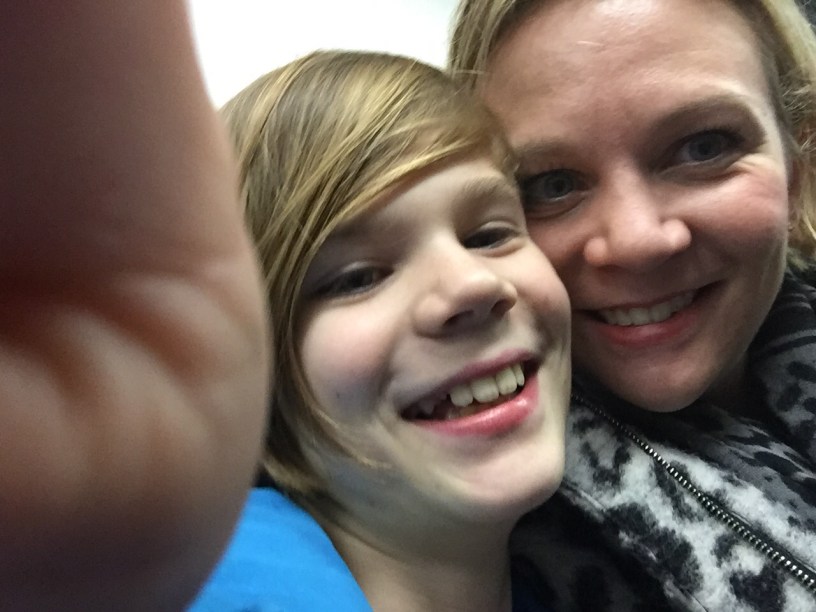
As my son rounds off his eleventh year on earth, an astonishing transformation has occurred. From being a sometimes blank-faced baby, super sensitive toddler and a mischievous, energetic child, I now have on my hands a languid tweenager, lanky of limb, rippled of stomach, and, often, sarcastic of voice.
If it’s a harbinger of what’s to come, it’s as terrifying as it is pride-inducing. But perhaps more astonishing to me is how completely normal he is. Oh yes, he can still throw a blinder, given the right conditions of zero warning for a game’s switch off. But his whole attitude towards approaching disliked tasks has done an about-face. Homework is achieved with the minimum of fuss, though often minimum of effort, for good and for bad. Last minute changes of plans are greeted, often, with a shrug. And as long as his reason is appealed to, for example when asking him to walk the dog or empty the dishwasher, or even put his socks away, he may grumble a bit but they get done, eventually.
Giving Jonah the freedom to make his own decisions about things has long been a cornerstone of my approach to parenting him. Forcing things was in many cases, nigh on impossible, and often backfired. And by giving himself just enough rope to hang himself with, for example, by allowing him to self-regulate on sweets, means he more often than not makes positive choices – although I feel we’ve lost the battle on video game regulation. However, with a range of outside interests – he’s on the squad at the local climbing wall, he does cross country for the school and plays goalie in his school’s football team – and he regularly reads for hours before bed- I don’t mind so much how he spends his downtime. Everyone needs a chance to chillax, after all.
It’s true, his interests can be sometimes narrow, and he’s competitive, but in his chosen interests, only against himself. His school report, at parent’s evening, was of a clever boy who works well with his peers. His handwriting is still his biggest let down, but I do wish they’d appreciate his bi-lateral coordination difficulties are for life, and no amount of practice is going to improve it – so why can’t they simply let him type?
Indeed, with little effort or input, Jonah is ranking in the top 2% in the country in maths – and his language and literacy, despite the pedantry of the tasks he is asked to perform in the new curriculum, is sound. His teacher described him as ‘nice’, which makes a change from being described by previous teachers as ‘difficult’, and his place on school council, voted in by other children, means he has an outlet for frustrations, such as the new policy that has banned Pokemon cards in the playground, which can make playtime more difficult for someone who finds unstructured time hard to manage.
By hook or by crook, he is learning the social skills that don’t always come naturally, remembering to say hello and goodbye, to ask about how someone is feeling and what they think about something, rather than simply waxing lyrical about his own particular interest. He’s getting there. I know this because, when a peer on his climbing squad won the “best improved”award at the Christmas party, despite Jonah’s competition win and year long effort to turn up to every event, trip and training session, rather than being upset, he shook his friend by the hand and patted him on the back. He’s learning sportsmanship, and for someone the doctors said couldn’t feel empathy (I don’t believe that for a second, by the way) that’s a miracle.
But I still get frustrated by friends of mine who, having spent a few minutes in his company, feel free to articulate that they can’t see anything wrong, or tell me that, in their opinion, he’ll be fine. I’m happy about both these things, really I am, although I do think, partly it’s because we’re middle class and have been able to make damn sure we do everything to make it so.
To doubt his diagnosis, as is so often the subtext, for all it’s been confirmed by experts, and backed up by the observations of those who work closely with him, is to grossly misunderstand the challenges we’ve faced getting him to this stage. A stage where, to the casual observer, he doesn’t appear autistic at all. But that’s something for me to feel proud of, but not to be challenged over by those who do not spend as much time with him as me. He is autistic and always will be. And as he approaches a new life stage of independence with new and mounting expectations on him, the challenges he faces and encounters will put this into renewed focus. But with the right support, I truly hope and believe that he really is going to be just fine.
Discover more from Looking at the little picture
Subscribe to get the latest posts sent to your email.
